Deep Conditioning
A nourishing treatment that helps improve softness and manageability by conditioning dry and rough hair. It supports smoother strands and makes detangling easier.
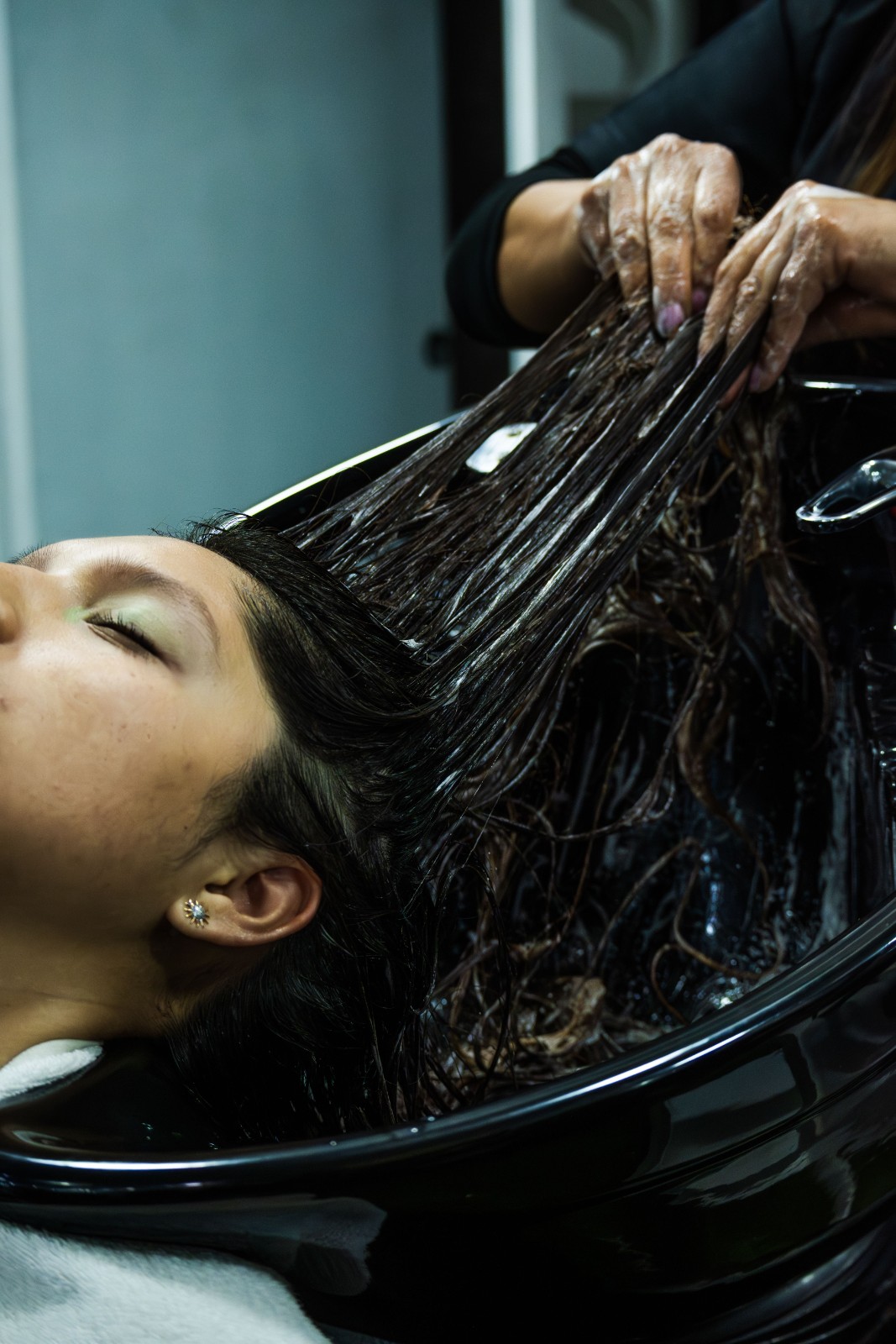
Hair damage occurs when the outer protective layer of the hair strand becomes weakened or affected. This can make hair feel rough, dry, brittle and difficult to manage. Damaged hair may also lose its natural shine and become more prone to tangling and breakage. Everyday habits such as frequent heat styling, chemical treatments, excessive brushing, tight hairstyles and exposure to environmental elements can gradually affect hair condition. Understanding these factors helps you make better choices for maintaining softer and more manageable hair.
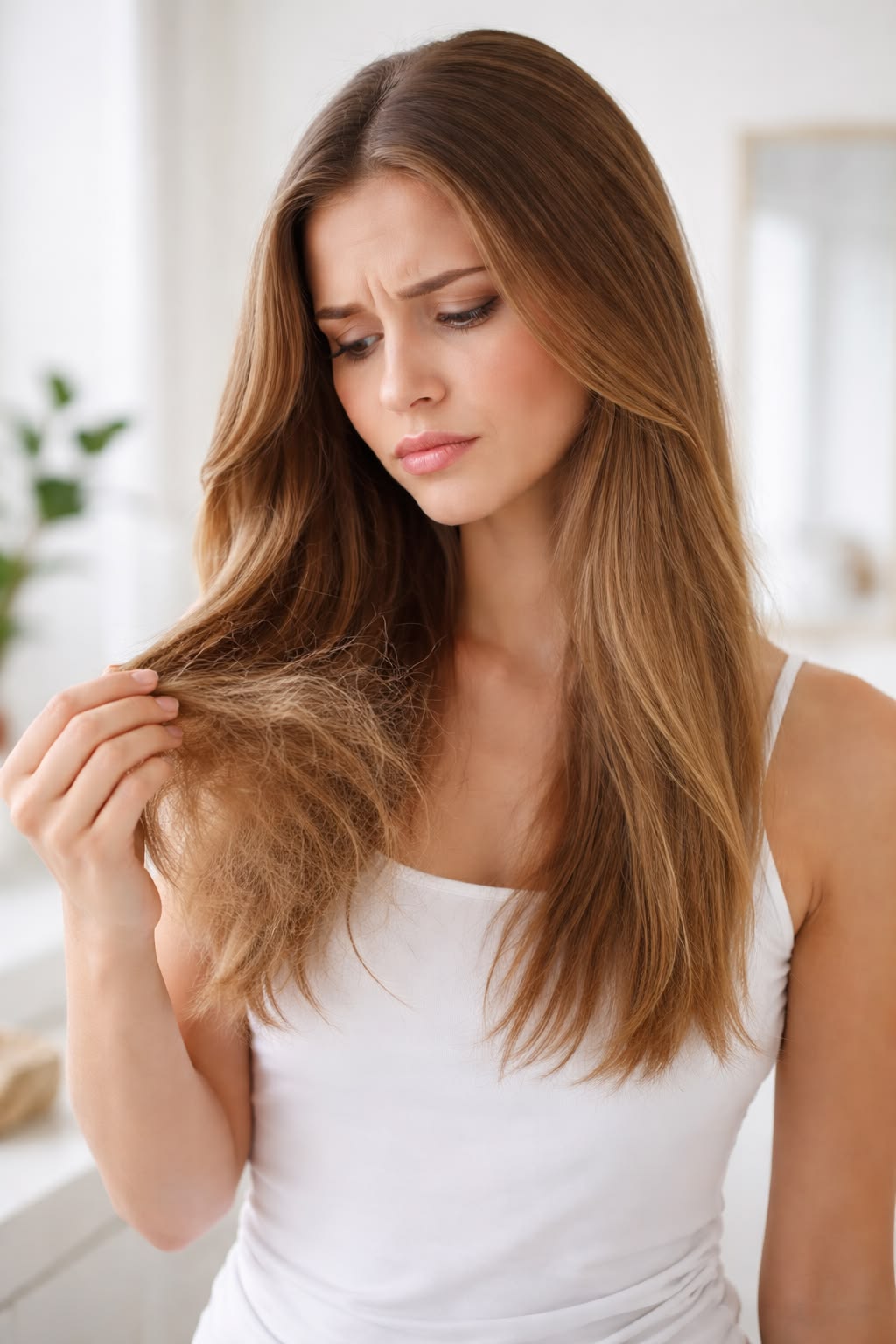
Frequent use of straighteners, curling irons and high-temperature blow dryers can affect the hair's protective layer, making strands dry, rough and more prone to breakage.
Hair damage can develop through repeated styling and everyday habits. Gentle handling and suitable hair care can help reduce further damage and breakage.
A nourishing treatment that helps improve softness and manageability by conditioning dry and rough hair. It supports smoother strands and makes detangling easier.
Designed for weak and brittle-looking hair, protein treatments help improve the feel and appearance of damaged strands while supporting better hair manageability.
These treatments provide added hydration to dry hair, helping reduce roughness and improve softness, flexibility and the overall appearance of your hair with a healthier-looking finish.
Hair masks deliver intensive conditioning with nourishing ingredients selected for your hair needs. They help improve texture, smoothness and everyday manageability.
Common signs include dryness, rough texture, split ends, frequent tangling, dullness and increased breakage. Damaged hair may also feel less smooth and become difficult to style or manage.
Hair strands cannot biologically repair themselves once severely damaged. However, suitable conditioning treatments, reduced heat styling and regular trimming can improve their appearance and manageability while helping prevent further damage.
Yes. Frequent use of straighteners, curling irons and high-temperature dryers can contribute to dryness, brittleness and breakage. Reducing heat exposure, using suitable heat protection and choosing moderate temperature settings can help minimize damage.
Deep conditioning, nourishing hair masks and suitable hair damage treatments may improve the feel, softness and manageability of damaged strands. The appropriate option depends on your hair texture and the level of damage.
Limit excessive heat styling, avoid repeated chemical processing, use suitable conditioning products and detangle your hair gently. Protect your hair from harsh environmental exposure and maintain a consistent routine based on your hair type.